Numbers
Moses
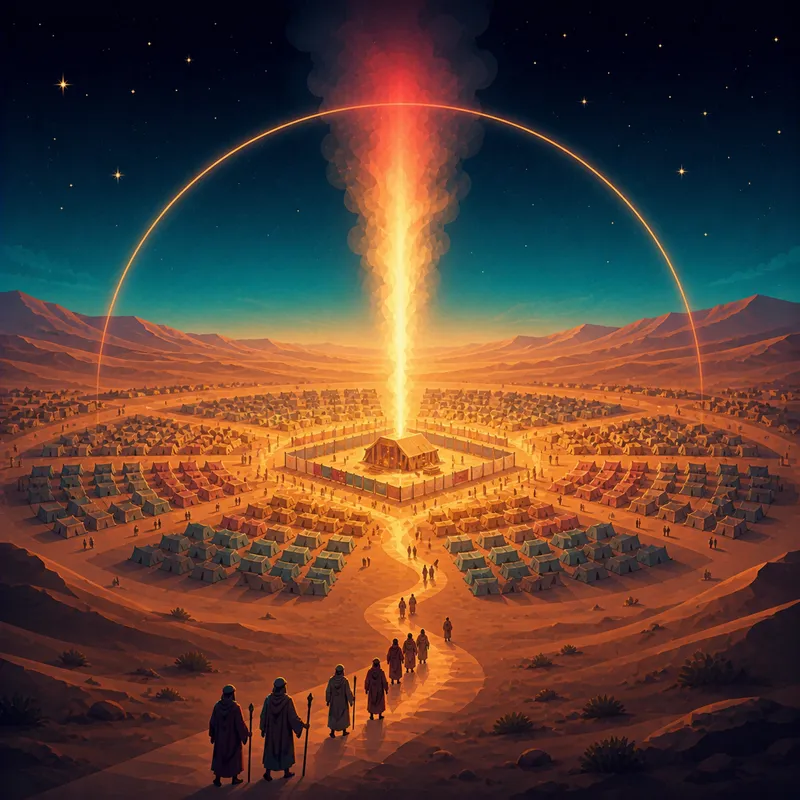
Numbers records Israel's 40-year wilderness journey from Mount Sinai to the plains of Moab. The book documents two censuses of the Israelites, various laws and instructions, and the consequences of the people's lack of faith, including their failure to enter the Promised Land at Kadesh Barnea. Despite Israel's repeated rebellions, God remains faithful to His covenant promises.
Chapters
Book Outline
Census of the tribes, organization of the camp, Levitical duties, laws of purity, and departure from Sinai.
Complaints about food, the seventy elders, quail provision, and Miriam and Aaron's opposition to Moses.
The twelve spies' report, the people's refusal to enter Canaan, and God's judgment of 40 years in the wilderness.
Various laws, Korah's rebellion, Aaron's budding rod, and the red heifer purification ritual.
Death of Miriam, Moses striking the rock, death of Aaron, bronze serpent, and victories over enemy kings.
Balaam's oracles blessing Israel, and Israel's sin with Moabite women at Baal Peor.
Second census, laws of inheritance, appointed festivals, vows, war against Midian, and tribal allotments.
Key Themes
God's Faithfulness Despite Human Failure
Though Israel repeatedly rebels and complains, God continues to provide for them and keep His covenant promises.
Consequences of Unbelief
The generation that refused to trust God at Kadesh Barnea was not allowed to enter the Promised Land, showing that faith is essential.
Holiness and Order
The organization of the camp and various purity laws demonstrate that God's people must be set apart and orderly in His presence.
Leadership and Submission
The rebellions against Moses and Aaron's authority teach about God-appointed leadership and the importance of submission.
Key Verses
The LORD bless you and keep you; the LORD make his face shine on you and be gracious to you; the LORD turn his face toward you and give you peace.
The Aaronic blessing, still used in worship today, reveals God's heart of blessing for His people.
The LORD is slow to anger, abounding in love and forgiving sin and rebellion.
Reveals God's merciful character even when His people sin.
So Moses made a bronze snake and put it up on a pole. Then when anyone was bitten by a snake and looked at the bronze snake, they lived.
A type of Christ, as Jesus himself explains in John 3:14-15, pointing to salvation through looking in faith.
God is not human, that he should lie, not a human being, that he should change his mind. Does he speak and then not act? Does he promise and not fulfill?
Balaam's declaration of God's absolute faithfulness and trustworthiness.
Main Characters
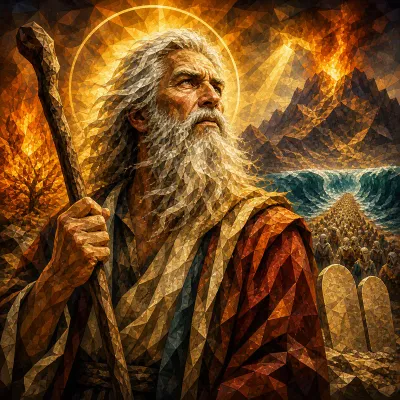
Leader of Israel through the wilderness, mediator between God and the people
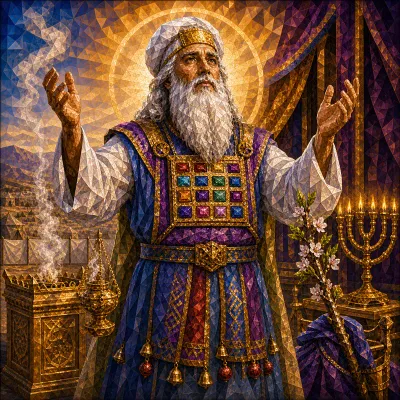
High priest of Israel, brother of Moses
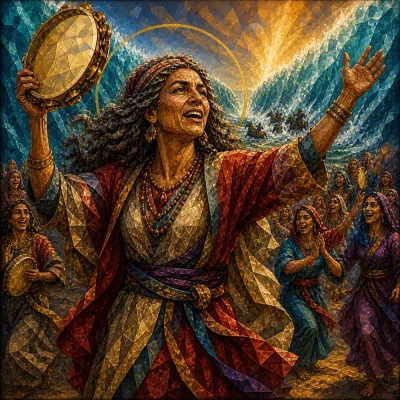
Prophetess, sister of Moses and Aaron
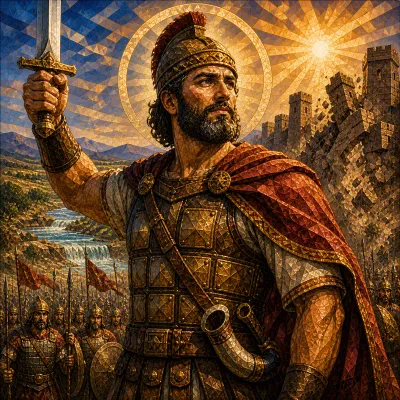
One of the faithful spies, future leader of Israel
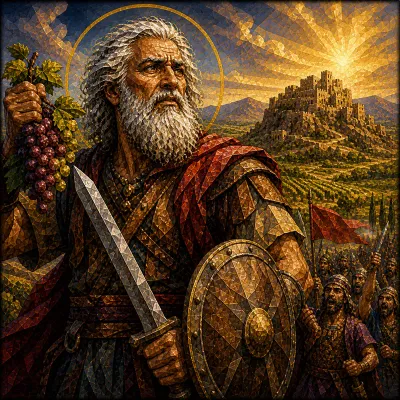
One of the faithful spies who believed God's promise
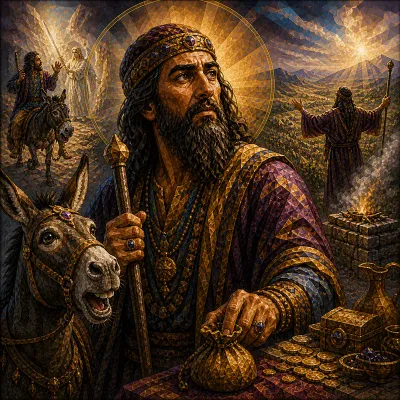
Pagan prophet hired to curse Israel but compelled to bless them
Biblical Locations




Connection to Christ
The Bronze Serpent
Just as those who looked at the bronze serpent were healed, so those who look to Christ lifted up on the cross are saved (John 3:14-15).
JHN 3:14-15The Rock that Gives Water
The rock that provided water for Israel in the wilderness is identified as Christ by Paul (1 Corinthians 10:4).
1CO 10:4Star and Scepter Prophecy
Balaam's prophecy of a star and scepter rising from Israel points to the coming Messiah-King.
NUM 24:17The Red Heifer
The red heifer sacrifice for purification foreshadows Christ's complete purification from sin through His sacrifice.
HEB 9:13-14