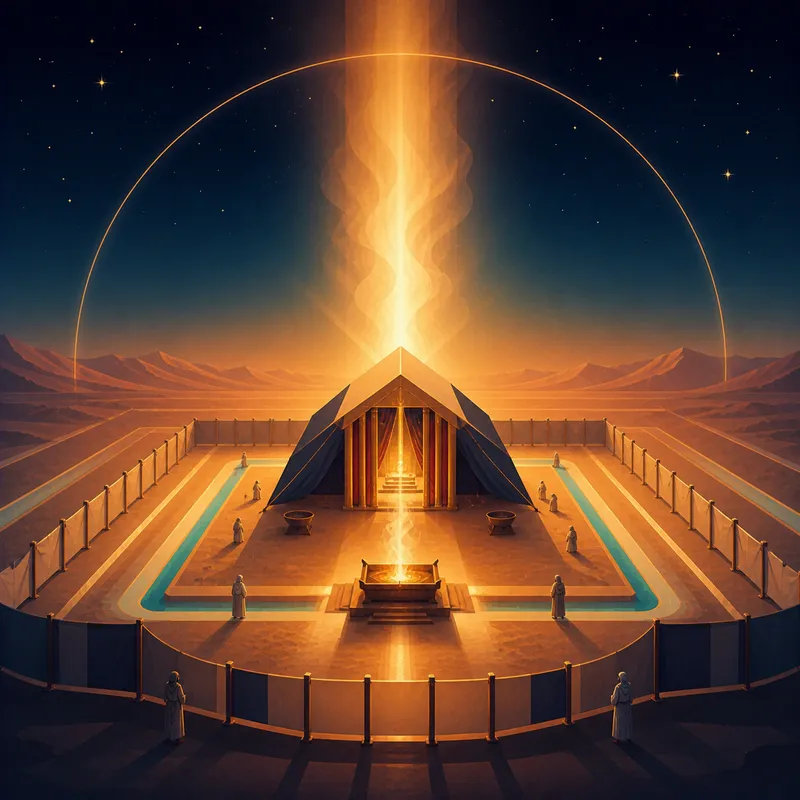
Leviticus
Moses (traditional attribution)
Leviticus serves as the manual for worship and holy living for Israel. Given at Mount Sinai, it contains detailed instructions for sacrifices, the priesthood, ritual purity, and moral conduct. The central message is that a holy God requires a holy people to approach him through proper sacrifice and mediation. The book establishes the sacrificial system that would point to Christ, the Day of Atonement, and the ethical standards that flow from covenant relationship with God.
Chapters
Book Outline
Instructions for the five main offerings: burnt offerings, grain offerings, peace offerings, sin offerings, and guilt offerings.
Consecration of Aaron and his sons, their first sacrifices, and the death of Nadab and Abihu for unauthorized worship.
Clean and unclean animals, purification after childbirth, skin diseases, and bodily discharges.
The annual ceremony when the high priest made atonement for the sins of all Israel, including the scapegoat ritual.
Laws governing sexual conduct, social justice, religious festivals, and the blessings and curses of the covenant.
Regulations concerning vows, dedications to the Lord, and the redemption of persons, animals, and property.
Key Themes
The Holiness of God
God is utterly holy and calls his people to be holy as he is holy. This holiness encompasses moral purity, ritual cleanness, and separation from sin.
Sacrifice and Atonement
Sin requires blood atonement and approach to God is only possible through substitutionary sacrifice, pointing forward to Christ's ultimate sacrifice.
The Priesthood
The Levitical priests served as mediators between God and the people, foreshadowing Christ's ultimate high priesthood.
Clean and Unclean
The distinction between clean and unclean taught Israel to make distinctions in all of life and understand that sin defiles.
God's Presence
Because God dwelt among Israel, the people had to maintain purity and holiness to preserve his presence in their midst.
Key Verses
For the life of the flesh is in the blood: and I have given it to you upon the altar to make an atonement for your souls: for it is the blood that maketh an atonement for the soul.
This verse explains why blood sacrifice is necessary for atonement and points to Christ's blood shed for our sins.
Speak unto all the congregation of the children of Israel, and say unto them, Ye shall be holy: for I the LORD your God am holy.
This central command summarizes the entire book: God's holiness is the standard and motivation for his people's holiness.
Thou shalt not avenge, nor bear any grudge against the children of thy people, but thou shalt love thy neighbour as thyself: I am the LORD.
Jesus identified this as the second greatest commandment, showing that Leviticus teaches love alongside ritual law.
For on that day shall the priest make an atonement for you, to cleanse you, that ye may be clean from all your sins before the LORD.
The Day of Atonement provided annual cleansing for all Israel's sins, foreshadowing Christ's once-for-all atonement.
Main Characters
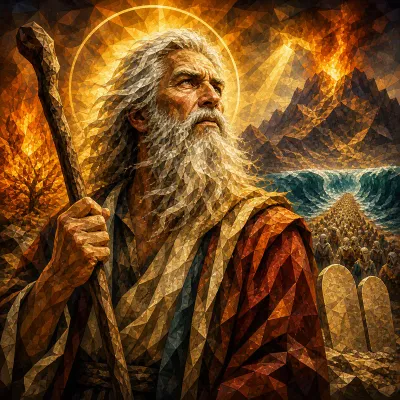
Mediator and lawgiver who received and transmitted God's instructions to Israel
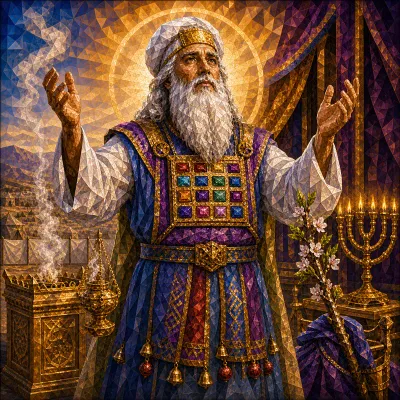
First high priest of Israel, consecrated to lead the sacrificial worship
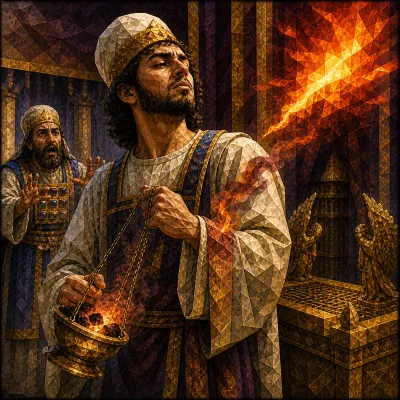
Son of Aaron who died for offering unauthorized fire before the Lord
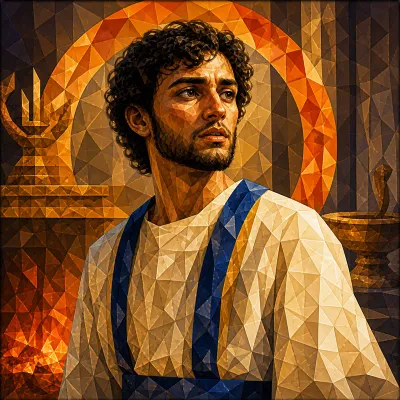
Son of Aaron who died alongside Nadab for disobedience in worship
Biblical Locations


Connection to Christ
Christ as the Ultimate Sacrifice
All the animal sacrifices in Leviticus pointed to Christ's once-for-all sacrifice on the cross, which accomplished what animal blood could never do.
HEB 10:1-14Christ as High Priest
The Levitical high priests who mediated between God and people foreshadowed Jesus Christ, our great High Priest who entered heaven itself on our behalf.
HEB 4:14-16Christ as the Day of Atonement
The annual Day of Atonement ceremony finds its fulfillment in Christ, who by his own blood entered the heavenly sanctuary once for all.
HEB 9:11-14Christ as the Scapegoat
The scapegoat that carried Israel's sins into the wilderness pictures Christ who bore our sins in his body and removed them far from us.
1PE 2:24Christ Makes Us Holy
The call to holiness in Leviticus is fulfilled in Christ who sanctifies believers, making them holy through his Spirit.
HEB 10:10